You might be wondering what truly defines a diabetic-friendly recipe. I believe that such recipes should prioritize low glycemic ingredients while balancing nutrients to support your health. In this blog post, I will guide you through the necessary elements that make a recipe suitable for managing diabetes, including portion control, fiber-rich foods, and healthy fats. Together, we’ll uncover my top picks that not only cater to your dietary needs but also thrill your taste buds.
The Nutritional Blueprint: Key Components of Diabetic-Friendly Recipes
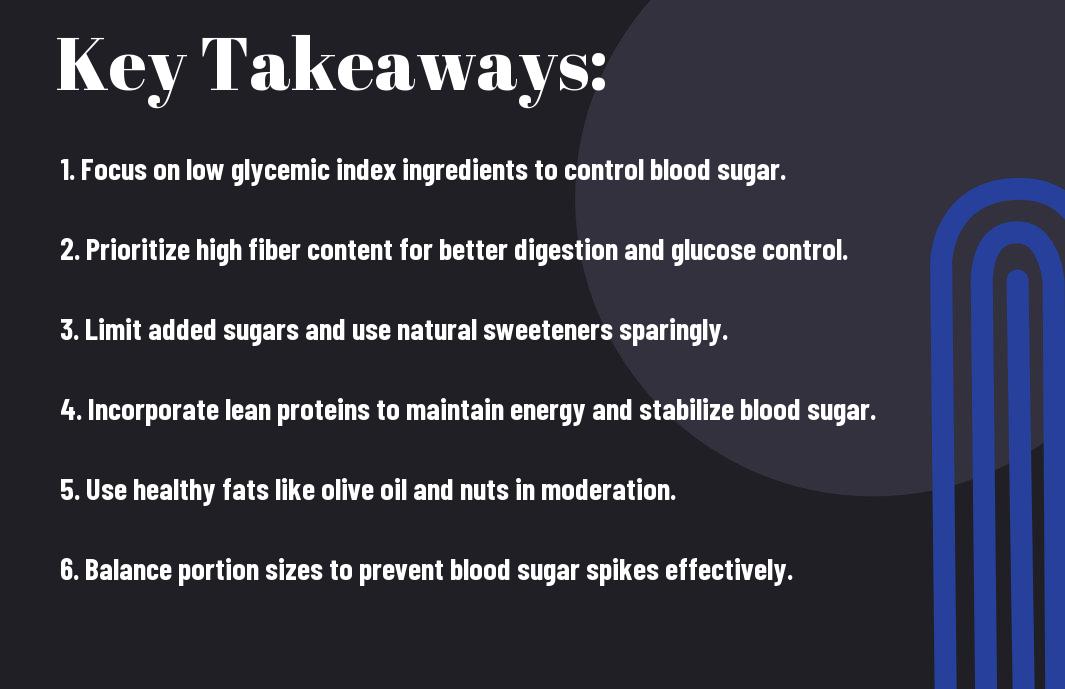
A core aspect of diabetic-friendly recipes revolves around their nutritional composition, meticulously crafted to support balanced blood sugar levels while providing important nutrients. Focusing on whole foods, portion control, and mindful ingredient choices not only enhances taste but also aids in managing diabetes effectively. By understanding the key elements of these recipes, you can enjoy delicious meals that keep your health in check.
Balancing Carbohydrates and Blood Sugar
Effective blood sugar management hinges on the careful balancing of carbohydrates. Opting for lower glycemic index foods helps prevent spikes in your blood sugar. For instance, pairing carbohydrate-rich foods with protein and healthy fats delays glucose absorption, promoting steadiness. Crafting meals with an eye on portion sizes is important in creating a controlled carbohydrate intake.
The Importance of Fiber and Whole Grains
Fiber-rich foods and whole grains serve as vital components of diabetic-friendly recipes. These elements not only assist in slowing down glucose absorption but also promote digestive health. For instance, incorporating quinoa, brown rice, and legumes introduces complex carbohydrates while delivering beneficial nutrients. Studies indicate that a diet high in fiber can lead to improved insulin sensitivity and more stable blood sugar levels.
Whole grains, rich in fiber, provide sustained energy while preventing quick spikes in blood sugar. These grains, compared to their processed counterparts, offer a significant amount of vitamins, minerals, and antioxidants. I often recommend starting your day with oatmeal or whole grain toast to set a positive tone for blood sugar management. The National Institute of Diabetes and Digestive and Kidney Diseases has found that consuming 25-30 grams of fiber daily can aid in glycemic control, making it a key element in your recipe choices.
Sweet Substitutions: Navigating Natural and Artificial Sweeteners
Making informed choices about sweeteners significantly impacts your ability to enjoy flavors while managing blood sugar levels. By exploring both natural and artificial sweeteners, you can find suitable alternatives that satisfy your sweet cravings without compromising your health. I’ll examine into when it’s smarter to opt for artificial sweeteners versus the impressive benefits offered by their natural counterparts. Whether you’re baking a treat or sweetening your morning coffee, knowing your options empowers you to make healthier decisions.
When to Choose Artificial Sweeteners
Artificial sweeteners present a low-calorie solution for those needing to manage their carbohydrate intake, particularly in processed foods and beverages. If you’re looking to drastically reduce your caloric consumption, options like aspartame or sucralose might fit the bill. These sweeteners can be beneficial in situations requiring an immediate sweet fix without a significant glucose spike. They’re especially practical when eating out, as many restaurants offer diet beverages or desserts made with safe sweetener alternatives.
The Benefits of Natural Sweeteners
Natural sweeteners, such as honey, agave nectar, and stevia, often come packed with vitamins, minerals, and antioxidants that artificial options lack. These sweeteners can enhance your health while adding flavor, making them appealing choices for many meals and snacks. For example, stevia is plant-derived and carries a minimal impact on blood sugar levels, allowing for a sweet experience without the carbohydrate burden. Furthermore, these options often provide unique flavors, enriching your culinary creations.
My personal favorites include monk fruit and erythritol, both of which create a deliciously sweet taste without elevating insulin levels. Monk fruit, for instance, contains zero calories and has been shown to aid in reducing inflammation. Erythritol, while a sugar alcohol, is absorbed by the body much more slowly and thus avoids those unwanted spikes in blood sugar. These natural sweeteners also safely cater to your sweet tooth without the lingering guilt associated with excessive sugar intake—truly a win-win!
Savoring Healthy Fats: Choices that Support Health
Including healthy fats in your diet not only enhances flavor but also provides crucial nutrients that help stabilize blood sugar levels. Incorporating sources like avocados, nuts, and olive oil into your meals not only promotes satiety but also nourishes your body with heart-friendly fats. These fats play a vital role in reducing inflammation and supporting overall health, making them an crucial component of a diabetic-friendly recipe.
The Role of Omega-3 Fatty Acids
Omega-3 fatty acids, found in fatty fish like salmon, walnuts, and flaxseeds, contribute significantly to heart health. Studies have shown that these healthy fats may improve insulin sensitivity and help manage blood sugar levels. Incorporating omega-3s into your diet can be an easy way to harness their benefits while adding variety to your meals.
Avoiding Trans Fats and Processed Oils
Trans fats, often lurking in fried and baked goods, pose a serious health risk, particularly for those managing diabetes. Consuming these fats can lead to increased cholesterol levels and inflammation, which are linked to cardiovascular diseases. It’s wise to read labels carefully and opt for natural oils and fats whenever possible. By avoiding trans fats, you not only protect your heart but also contribute to better overall blood sugar control.
Processed oils, such as canola and soybean oil, are frequently used in commercial products but can lead to inflammation and negative metabolic effects. These oils have undergone extensive processing, stripping away beneficial nutrients while introducing unhealthy trans fats. By choosing whole, unprocessed fats like olive oil or avocado oil, you can significantly enhance your meals’ nutritional profile and flavor while actively supporting your health goals.
Portion Control: Mastering the Art of Serving Sizes
Understanding and implementing proper serving sizes is a game-changer for managing your blood sugar levels. It not only helps regulate calorie intake but also prevents overindulgence, keeping you within target ranges. I find that adjusting portions to fit the plate method can be particularly effective; aim to fill half your plate with non-starchy vegetables, a quarter with lean protein, and the remaining quarter with whole grains or starchy foods. This approach allows for balanced nutrition while ensuring you don’t exceed necessary carb limits.
Tools and Techniques for Accurate Portioning
Utilizing measuring tools can enhance your portion control significantly. I often recommend investing in a digital kitchen scale, which offers precise measurements for optimal carb counting. Additionally, using measuring cups and spoons ensures your servings are accurate. Food logs and apps can also help track your intake. Having pre-portioned meals prepared in advance makes it easier to stick to your serving sizes without guessing.
Mindful Eating Practices to Enhance Satisfaction
Engaging in mindful eating transforms your relationship with food and improves the overall dining experience. Focusing on the flavors, textures, and aromas of your meals can lead to greater satisfaction. Try to chew each bite thoroughly and pause to appreciate what you’re consuming. Studies have shown that slowing down during meals can decrease the likelihood of overeating, allowing you to enjoy smaller portions more fully.
Mindful eating is all about cultivating awareness and presence at mealtime. By eliminating distractions, such as television and smartphones, you can truly savor each bite. Setting aside enough time for meals—aim for at least 20-30 minutes—will also help you better gauge your hunger and fullness cues. I encourage pairing meals with deep breathing or gratitude exercises, enriching the dining experience. By enhancing the way you eat, you not only make the experience more enjoyable but also better manage your portioning habits. In doing so, you’ll find that a smaller serving feels more satisfying and nourishing, addressing both your mental and physical health needs.
Top Recipes That Shine in Diabetic-Friendly Cooking
Diabetic-friendly cooking doesn’t have to compromise taste. In fact, a variety of recipes can bring bold flavors to your table while still managing blood sugar levels. I’m excited to share some top picks that are packed with nutrients, lower in sugar, and make fantastic meals without sacrificing enjoyment. The right combination of ingredients can create dishes that are as satisfying as they are healthy!
Unveiling Flavorful Entrees
For a hearty yet diabetic-friendly option, consider dishes like grilled lemon herb chicken or zucchini noodles with marinara. These entrees not only feature lean proteins and vegetables, but they also burst with flavors that keep your palate intrigued. Utilizing spices and herbs can enhance these meals without adding unwanted sugars or carbs, making them perfect for any dining occasion.
Delectable Desserts that Won’t Spike Your Sugar
Indulging in a sweet treat doesn’t have to cause a sugar spike. Recipes using ingredients like almond flour, stevia, or dark chocolate can satisfy your cravings effectively. Desserts such as avocado chocolate mousse or coconut chia pudding not only taste divine, but their low-glycemic ingredients help keep your blood sugar in check while giving you a delicious finish to your meal.
Choosing desserts crafted with wholesome ingredients plays a pivotal role in maintaining healthy glucose levels. For example, the combination of high-fiber ingredients and healthy fats found in options like almond flour cookies or berry parfaits can be incredibly satisfying and nutritious. These desserts often use natural sweeteners, which means you can enjoy dessert without the guilt or the sugar high. It’s a great way to embrace sweets while prioritizing your health!
To wrap up
With these considerations in mind, you can confidently choose recipes that truly fit within a diabetic-friendly framework. I encourage you to explore options that prioritize whole, nutrient-dense ingredients while balancing carbohydrates and sugars. By selecting meals that satisfy both your taste buds and dietary needs, you’ll enhance your overall well-being. Keep in mind, making informed choices will empower you to enjoy delicious meals without compromising your health.