It’s exciting to transform a basic chili recipe into something truly special while keeping it diabetes-friendly. I’ve discovered that incorporating unique flavors, such as smoky chipotle, fresh herbs, and zesty lime, can elevate your dish and enhance its nutritional profile without sacrificing taste or health. In this post, I’ll share some of my favorite ingredients and techniques to help you craft a vibrant chili that not only satisfies your cravings but also supports your well-being. Let’s dive in and discover how to elevate your chili game!
Bold and Unconventional Ingredients That Transform Flavor
Pertaining to elevating your diabetic chili, embracing bold and unconventional ingredients can make all the difference. Infusing your dish with unique flavors not only tantalizes your taste buds but also turns a standard pot of chili into a culinary masterpiece. By swapping out traditional spices and ingredients for unexpected options, you can craft a chili that excites the palate while adhering to health-conscious guidelines. Let’s explore some game-changing ingredients that can add depth and character to your dish.
The Power of Smoky Depth: Chipotle vs. Regular Chili Powder
Switching to chipotle powder from standard chili powder infuses your chili with a smoky complexity that regular powder simply can’t match. Chipotle, which comes from dried and smoked jalapeños, brings both heat and a layered flavor profile. This switch not only enhances the overall taste but can also draw out the other ingredients, allowing them to shine through. Experimenting with just a teaspoon can take your chili from okay to outstanding.
Sweet Yet Healthy: Using Natural Sweeteners Instead of Sugar
Incorporating natural sweeteners such as stevia, monk fruit, or even a splash of unsweetened apple cider vinegar can create that perfect balance of sweetness without impacting blood sugar levels. Unlike conventional sugar, these alternatives impart sweetness without the calories or carbohydrate spikes, making your chili both diabetes-friendly and delicious.
For instance, using stevia not only adds sweetness but also provides a low-calorie option that’s ideal for any diabetic-friendly recipe. A teaspoon of stevia can replace a tablespoon of sugar, allowing you to achieve that sweet flavor without compromising health. Alternatively, monk fruit sweetener, derived from monk fruit, delivers a sweetness similar to sugar without any glycemic effects. These natural options not only enhance flavor but contribute to a well-balanced chili that satisfies without guilt.
Herbs and Spices That Ignite Your Taste Buds
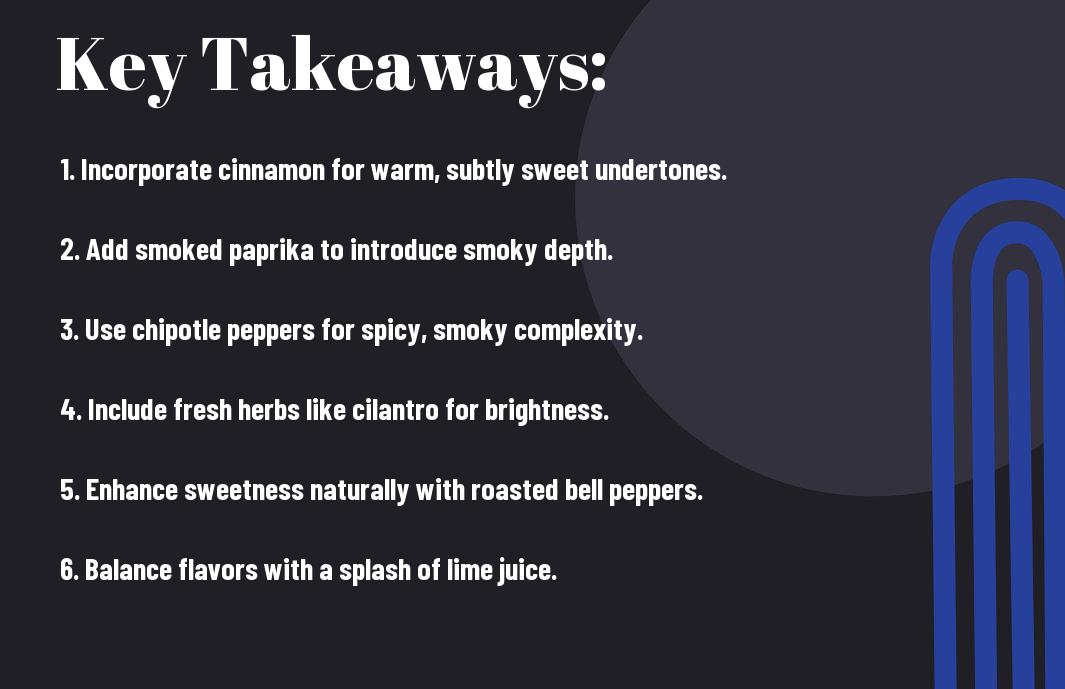
Transforming your diabetic chili recipe with the right herbs and spices can elevate it from mundane to memorable. A sprinkle of smoked paprika adds depth, while chili powders infuse varying levels of heat and flavor. Consider experimenting with a touch of cumin for an earthy undertone and cinnamon for subtle warmth that rounds out the flavors. Just remember that the key is to balance the heat and aromas, ensuring a dish that tantalizes your taste buds without overwhelming them.
The Impact of Fresh Herbs: Cilantro and Oregano in Chili
Fresh herbs like cilantro and oregano can dramatically alter your chili’s profile. Cilantro adds a bright, zesty note that cuts through the richness of the beans and meat, while oregano brings a touch of warmth and familiarity. Adding cilantro just before serving preserves its vibrant color and flavor, creating a freshness that contrasts beautifully with the cooked spices.
Building Complexity with Umami: Adding Mushrooms and Fermented Ingredients
Incorporating mushrooms and fermented ingredients significantly enhances the umami aspect of your chili. Mushrooms, particularly varieties like shiitake or portobello, impart a savory depth that complements traditional chili ingredients. Fermented items, such as miso paste or even a splash of apple cider vinegar, add tang and richness while boosting health benefits. These elements harmoniously meld together, making each bite layered and satisfying.
Mushrooms not only contribute umami but also provide a satisfying texture, making them an excellent substitute for meat if you’re looking to cut down on calories. Fermented ingredients, such as a tablespoon of miso, introduce a tanginess that brightens the overall flavor profile. They also offer the added bonus of promoting gut health, which can be particularly beneficial for diabetic diets. By thoughtfully combining these ingredients in your chili, the flavor complexity elevates the dish, making it more enjoyable and satisfying, without relying solely on excessive spices or sugars.
Exploring Different Protein Sources for Enhanced Taste
To make your diabetic chili more satisfying and flavorful, experimenting with a variety of protein sources adds depth and interest. Whether you prefer lean meats or plant-based proteins, the right choice can elevate your dish. Think beyond standard ground beef; consider using turkey, chicken, or even bison for their lower fat content. For those preferring plant-based options, ingredients like lentils and black beans provide not only protein but also necessary fiber, enhancing both taste and nutrition.
Lean Meats vs. Plant-Based Alternatives: What Works Best?
When weighing lean meats against plant-based alternatives, flavor and nutritional profile are key factors. Lean meats like chicken and turkey deliver high levels of protein with less saturated fat, making them healthier choices. On the other hand, plant-based proteins like quinoa and textured vegetable protein not only cater to those seeking vegetarian options but also provide unique textures and flavors that can complement your chili. The choice ultimately depends on your personal health goals and flavor preferences.
Flavor from Unexpected Sources: Why Fish Might Be the Next Big Thing
Using fish in chili may seem unconventional, but it offers an exciting twist that can enhance your dish. Fish such as salmon or even a robust white fish can introduce a delicate flavor that pairs well with traditional chili spices. This unique approach not only stands out on the palate but also infuses your recipe with omega-3 fatty acids, which are beneficial for heart health. Incorporating fish can create a surprising depth, turning your chili into a culinary adventure.
Fish like salmon and cod can complement your chili’s core flavors beautifully. The natural oils in fatty fish add richness, ensuring that each bite remains moist and flavorful. Beyond just taste, opting for fish means you’re choosing a protein that is packed with nutrients yet lighter than traditional meat options. A dash of lime juice or a sprinkle of fresh cilantro after cooking can elevate the dish further, marrying the essence of chili with the lightness of seafood. By blending these unexpected ingredients, your chili will boast enhanced complexity and keep your taste buds intrigued.
The Art of Acidity: Balancing Flavors for a Perfect Finish
Achieving a well-balanced chili isn’t just about the spices; the art of acidity plays a pivotal role. By incorporating a touch of acidity, such as vinegar or citrus, you can enhance the overall flavor profile, cutting through the richness of the meat and beans. This elevation not only livens up the dish but also brings harmony to the various ingredients, ensuring each one shines through without overpowering the others.
The Role of Vinegars and Citrus: Brightening Up Your Chili
Utilizing vinegars and citrus can dramatically elevate your chili. A splash of apple cider vinegar or a squeeze of fresh lime juice right before serving brings a refreshing brightness that enhances the overall taste. These acidic elements add depth, ensuring your chili doesn’t feel overly heavy and rich, creating a flavorful experience that’s delightful and satisfying for those monitoring their diabetes.
Enriching with Broth: Homemade vs. Store-Bought for Optimal Results
Choosing the right broth can significantly impact your chili’s flavor. Opting for homemade stock allows for complete control over sodium levels and ingredient quality, making it a better fit for a diabetic-friendly recipe. However, high-quality store-bought options can also suffice; just be sure to select low-sodium varieties to prevent adding unnecessary salt.
Homemade broth typically yields a richer taste and allows you to infuse it with your favorite herbs and spices, resulting in a personalized touch to your chili. For instance, I often roast vegetables before simmering them in water to develop a deeper, more complex flavor palette. On the other hand, store-bought options vary widely, so scrutinizing labels for added sugars, unnecessary preservatives, and high sodium content is necessary. Ultimately, whether you choose homemade or store-bought, a quality broth serves as the heart of your chili, enriching its flavor with every spoonful.
Creative Garnishes That Make an Impact
Enhanced presentation is a game-changer for your diabetic chili; creative garnishes not only add flavor but also brighten your dish visually. Simple additions can transform a regular bowl into a feast for the eyes. Fresh herbs like cilantro or parsley provide a burst of color and freshness, while a dollop of Greek yogurt can mimic sour cream without packing extra sugar. Edible flowers or finely sliced scallions can also yield a sophisticated touch, enticing guests to dig in and savor every spoonful.
Elevating Visual Appeal: Fresh Salsa and Avocado Crema
Incorporating fresh salsa elevates your chili’s visual appeal and brings a vibrant medley of flavors. I love to combine diced tomatoes, red onion, jalapeño, and cilantro, which not only adds freshness but also a pop of color. Pairing it with creamy avocado crema not only enriches the dish but also complements the heat of the chili. This combination adds both texture and a luscious finish, making each bite feel indulgent while still keeping it healthy.
Unexpected Crunch: The Best Toppings that Won’t Spike Your Blood Sugar
Adding toppings with a satisfying crunch can take your chili to the next level without impacting your blood sugar. I often reach for ingredients like diced radishes or toasted pumpkin seeds, which elevate the texture of chili while remaining low in carbs. Chopped nuts like almonds or walnuts deliver a nutty flavor that’s both crunchy and nourishing. These toppings add dimension and depth, ensuring you’re not just filling up on beans and meat, but enjoying a well-rounded bowl of goodness.
For a truly unique touch, consider sunflower seeds or crushed pork rinds as toppings. These options offer a delightful crunch, and I particularly love how sunflower seeds are rich in healthy fats and protein while being low in carbohydrates. Crushed pork rinds provide that quintimportant crunch, mimicking the experience of traditional crackers without the carbs. Both alternatives allow you to indulge your texture cravings without spiking your blood sugar, making them perfect additions to your next chili night.
To wrap up
Following this exploration of unique flavors, I encourage you to elevate your diabetic chili recipe by incorporating unexpected ingredients such as smoked paprika, cocoa powder, or lime juice. These additions not only enhance the depth of flavor but also maintain the dish’s health-conscious profile. By experimenting with herbs and spices, I’ve discovered that each batch of chili can be a delightful adventure. You have the power to personalize your recipe, ensuring that it remains both nutritious and satisfying. So, get creative in your kitchen, and let your taste buds guide the way!