It’s often believed that following a diabetic diet means sacrificing indulgent flavors and satisfying textures. However, I’m here to show you that delicious desserts can be made with diabetes-friendly ingredients without compromising on taste. In this blog post, I will guide you through a decadent dessert recipe that allows you to indulge your sweet tooth while keeping your blood sugar levels in check. Join me as I explore how you can enjoy dessert while making healthy choices!
Crafting the Ultimate Diabetic Dessert Experience
Creating a diabetic dessert that satisfies your sweet tooth without spiking blood sugar levels involves a blend of creativity and knowledge. It’s all about the right ingredients and techniques to ensure that every bite is both delicious and safe for those with diabetes. I’ve found that thoughtful preparation can transform humble ingredients into an extraordinary treat that feels indulgent and satisfying.
Key Ingredients for Sugar-Free Indulgence
Choosing the right ingredients is crucial for crafting a delectable sugar-free dessert. Natural sweeteners like erythritol, stevia, or monk fruit provide the sweetness without the calories of traditional sugar. Adding healthy fats from nuts, coconut oil, or avocado contributes to a rich texture while ensuring you feel satiated. Don’t overlook the power of flavor enhancers such as vanilla extract, cocoa powder, and spices like cinnamon, which can elevate your dessert without compromising health.
Balancing Flavor and Health Without Compromise
Striking a balance between rich flavors and health benefits is an ongoing challenge when creating diabetic-friendly desserts. I focus on incorporating ingredients that provide both satisfaction and nutritional value, thus transforming traditional recipes. Utilizing fine-quality cocoa powder in chocolate desserts not only offers a deep, chocolate flavor but also contains antioxidants. Furthermore, I often experiment with whole food fibrous ingredients like almond flour or oats to add texture and health benefits while maintaining sweetness.
The beauty of balancing flavor and health lies in the artful combination of ingredients. For instance, swapping out refined sugar with a low-glycemic sweetener can allow me to enjoy a full-flavored dessert without the guilt. Incorporating ingredients rich in fiber and healthy fats adds not only depth of flavor but also helps in moderating blood sugar spikes, allowing for a more enjoyable experience. Successful desserts can utilize complementary flavors—like a chocolate and raspberry pairing—offering indulgence while ensuring you’re still adhering to a balanced diet. By innovating with textures and tastes, I show that you can truly enjoy dessert, even with dietary restrictions.
Decadent Options: The Art of Composition
Creating an enticing diabetic dessert involves more than just selecting the right ingredients. It’s about understanding the balance of flavors and textures that elevate the dessert experience. Whether it’s a rich chocolate mousse paired with a tangy raspberry coulis or a velvety cheesecake layered with nutty crust, thoughtful composition transforms a simple treat into a memorable indulgence. Experimenting with contrasting elements can bring your creations to life, enticing both the palate and the eye.
Layering Textures and Flavors in Diabetic Desserts
Combining various textures, such as creamy custards with crunchy toppings, adds depth to diabetic desserts. Think about how a luscious layer of avocado chocolate pudding might sit atop a crumbled almond flour base. Each bite should be a delightful explosion of flavor, where the smooth meets the crisp, ensuring that your dessert remains satisfying without excessive sugar.
Visual Appeal: The Psychology of Dessert Presentation
The way you present your diabetic dessert can significantly impact its enjoyment. Studies show that a well-plated dish can enhance taste perception. Your eye often eats first, so a dessert adorned with vibrant colors and careful arrangement stimulates anticipation, making it feel more indulgent and satisfying even with lower sugar content.
Psychological studies reveal that visual attributes like color and symmetry can alter our taste perceptions. For instance, desserts that play with contrasting colors—like a white coconut crema drizzled with dark chocolate—create excitement and allure, leading to a more satisfying experience. Using garnishes like fresh mint or edible flowers not only enhances visual appeal but also elevates the sensory experience, giving the impression of a luxury dessert that adheres to your dietary needs. Balancing creativity with accessibility in presentation creates an unforgettable indulgence, even in a diabetic-friendly format.
The Science of Sweeteners: What’s Safe and Delicious?
Diving into the world of sweeteners reveals a plethora of options, each with its own unique attributes and potential health impacts. Understanding these differences is necessary for creating indulgent yet safe desserts. I lean towards natural sweeteners such as stevia, monk fruit, and erythritol which provide the sweetness I’m after without significant glycemic impact. The key is to ensure that the ingredients enhance flavor while keeping my blood sugar stable.
Understanding Low-Carb Sweeteners: The Best Choices
Procuring low-carb sweeteners is not just about cutting calories; it’s about selecting ingredients that keep your dessert deliciously sweet without sacrificing health. Erythritol is one of my favorites because it has zero calories and a glycemic index of zero, making it an ideal option. Meanwhile, monk fruit sweetener packs a powerful sweetness that can outperform sugar in desserts without increasing the carb count. Choosing wisely here can help achieve that decadent taste that fits within diabetic dietary needs.
Unlocking Flavor Profiles: Combining Sweetness with Complex Notes
Layering sweeteners with complex flavor notes creates a deeper, more satisfying dessert experience. Consider adding a dash of cinnamon or a splash of vanilla extract to elevate the sweetness while introducing warmth and richness. I sometimes blend cocoa powder with non-caloric sweeteners to produce chocolatey goodness that satisfies cravings while adding depth. Exploring diverse flavors allows you to balance sweetness and enhance the overall palate of your dessert, making each bite a delight.
Elevating your desserts through a thoughtful combination of sweet and complex flavors creates a nuanced taste experience that transcends mere sweetness. Think about incorporating elements like citrus zest, spicy notes like nutmeg, or even savory sensations from sea salt to conquer the sweet-to-savory spectrum. Blending these flavors not only keeps your creations interesting but can also minimize the need for excessive sweetness. The interplay of flavors offers a richer, more indulgent dessert that feels less one-dimensional and more satisfying—perfect for those looking to indulge without the guilt.
Transforming Traditional Recipes: The Diabetic Remix
Crafting desserts that satisfy your sweet cravings while accommodating dietary needs is a delightful challenge. I’ve taken inspiration from beloved classics and reimagined them to create fulfilling diabetic-friendly versions. Using smart ingredient substitutions and innovative techniques, it’s entirely possible to maintain the essence of traditional treats without the guilt. This transformation lets everyone indulge without sacrificing taste or health.
Classic Desserts Reimagined for Diabetic Enjoyment
Think about your favorite desserts: rich chocolate cake, creamy cheesecakes, and gooey brownies. Each of these can be transformed to deliver great flavor while being diabetes-conscious. For example, I’ve swapped refined sugar for natural sweeteners like erythritol or stevia, allowing you to savor the sweetness without sending your blood sugar on a rollercoaster ride. You can enjoy that old-fashioned pie crust made from almond flour instead, resulting in a low-carb, gluten-free alternative that doesn’t compromise on taste.
Creative Swaps: Traditional Ingredients vs. Healthier Alternatives
Exploring alternatives to traditional ingredients opens up a world of possibilities. By emphasizing whole foods, I can enhance not only the flavor but the nutritional profile of desserts. This could mean using pureed fruits in place of oil for moisture or incorporating ground nuts for a satisfying crunch. With a little creativity, even your favorite treats can become guilt-free pleasures!
For instance, let’s consider a traditional chocolate cake recipe that calls for all-purpose flour and sugar. By substituting almond flour for the flour, you can decrease the carbs while also adding protein and healthy fats. Instead of granulated sugar, using a concoction of ingredients like mashed bananas or unsweetened applesauce not only keeps the sweetness intact but also adds fiber. You can replace heavy cream with Greek yogurt, providing creaminess while benefiting from the added protein and lower fat content. These innovative swaps keep your dessert feeling indulgent, proving that you can indeed recreate those classic flavors while honoring your health.
A Taste Test: Real People, Real Reactions
The moment of truth arrived as I gathered a diverse group of friends and family to sample my decadent diabetic dessert. The atmosphere buzzed with excitement, each person eager to taste something that could potentially satisfy their sweet tooth without compromising their health. I watched closely as they took their first bites, capturing reactions that ranged from delight to disbelief at the dessert’s flavor and texture. Their genuine expressions sparked quite the lively discussion around indulgence and dietary balance.
Gathering Feedback from Diabetic Dessert Enthusiasts
To get true insights into the dessert’s appeal, I invited several diabetic dessert enthusiasts to share their experiences. Each participant offered valuable perspectives on their expectations and past disappointments with sugar-free treats. I wanted to ensure that I not only catered to taste but also considered their dietary needs. Their candid feedback reflected a mix of curiosity and cautious optimism, setting the stage for an honest evaluation.
Analyzing Taste, Texture, and Satisfaction Ratings
Diving into the details, each taster ranked the dessert on taste, texture, and overall satisfaction, using a scale from 1 to 10. I was thrilled to find that most ratings hovered around 8 or 9, particularly praising the dessert’s balance of sweetness and the creamy consistency. Some highlighted a surprising richness typically absent in diabetic treats. A few even commented that they would willingly choose it over traditional desserts, reinforcing the idea that indulgence can coexist with dietary restrictions.
The results were tremendously encouraging. One participant, who had previously avoided sweets entirely, exclaimed that this dessert tasted like a guilty pleasure wrapped in a healthy disguise. With most reviews highlighting a perfect blend of flavors and textures, I could see a shift in perceptions about diabetic desserts—and an affirmation that such indulgences don’t have to be a compromise. These insights reaffirmed that my efforts in transforming traditional recipes can resonate deeply, allowing others to experience enjoyment while staying true to their health goals.
Summing up
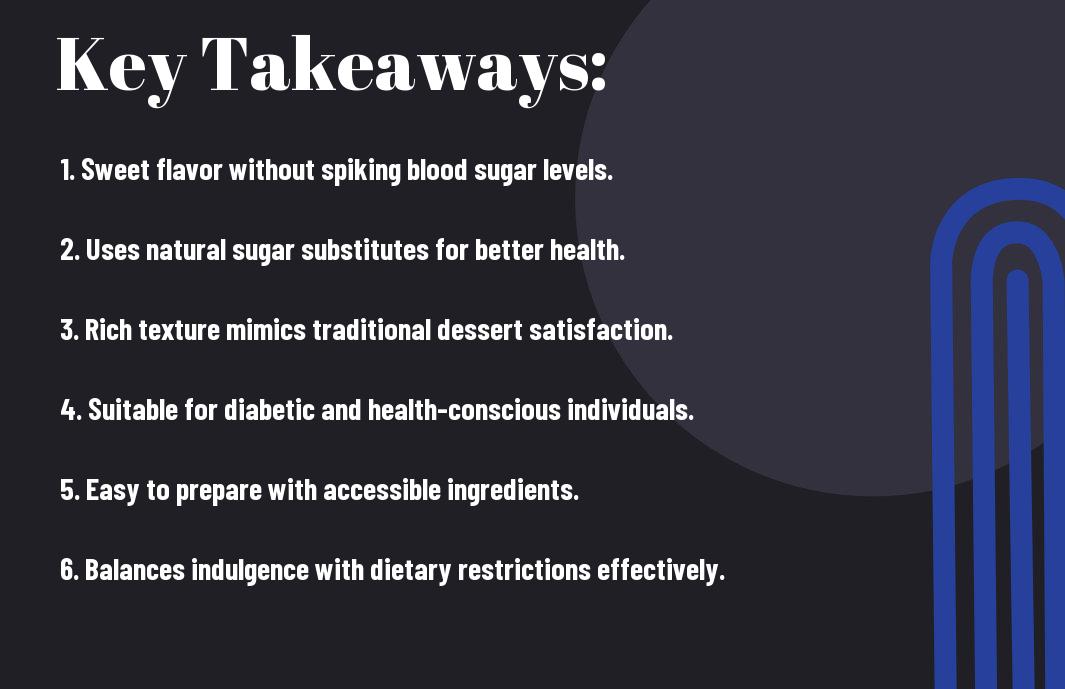
With this in mind, I believe indulgence is indeed possible with this decadent diabetic dessert recipe. By carefully selecting ingredients that satisfy your sweet tooth while still being mindful of your dietary restrictions, you can enjoy a delicious treat without compromising your health. You can delight in flavors and textures that resemble traditional desserts, showing that mindful eating doesn’t have to mean missing out on enjoyable experiences. Give it a try, and you might discover that healthier options can be just as satisfying as their indulgent counterparts.